Essential First Aid for Hiking and Camping Emergencies
Hiking and camping offer a rewarding escape into nature, but they also come with potential health and safety risks that should never be overlooked. When venturing into remote environments, medical assistance may not be readily available, making it essential for outdoor enthusiasts to prepare for common injuries and sudden medical emergencies. Knowing how to assess a situation, treat minor ailments, and stabilize serious conditions can significantly improve outcomes when time is critical. By carrying proper supplies and understanding essential first aid procedures, hikers and campers can enhance safety while continuing to enjoy the freedom and challenge of the outdoors.
Preparedness is Critical for Remote Outdoor Settings
The farther you go from civilization, the more self-reliant you must become. Being able to address injuries or health issues until help arrives—or until you can get to help—is a necessary skill in the wild.
Responding to Injuries When Medical Help Is Far Away
Hiking and camping emergencies often occur far from cell towers, ambulances, or medical professionals, placing the responsibility of immediate care on those present at the scene. Common injuries like sprained ankles, lacerations, burns, or insect bites can escalate into serious issues if not addressed promptly. The challenge in remote settings lies not only in treating the injury but in preventing further harm before evacuation is possible. For example, an untreated wound can lead to infection, while a twisted joint can make it nearly impossible to hike back to a trailhead. Knowing how to clean and bandage a wound properly or stabilize a limb using materials on hand can prevent further complications. Hypothermia, heatstroke, dehydration, and allergic reactions are also significant threats that require prompt and correct action. While training courses offer the skills to address these problems, they also emphasize the importance of staying calm and thinking clearly under pressure. Programs that include cpr certification can help hikers and campers better prepare for both traumatic injuries and sudden medical conditions like cardiac arrest that may strike without warning.
Recognizing and Managing Medical Emergencies in Nature
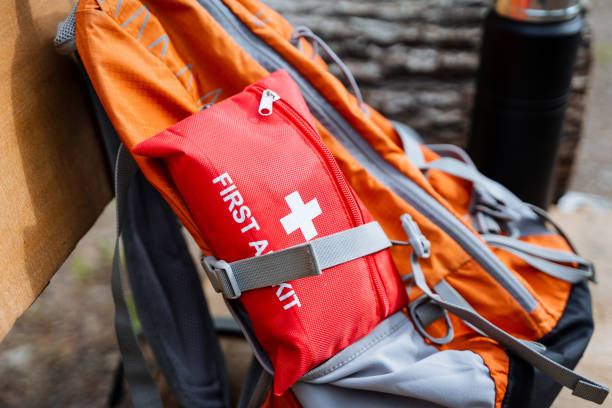
One of the most important skills in a backcountry emergency is the ability to recognize early signs of serious medical issues before they spiral out of control. Symptoms like confusion, dizziness, pale skin, or slurred speech may indicate heat exhaustion, shock, or low blood sugar—all of which require quick attention. A well-prepared hiker must not only carry a first aid kit but also understand how and when to use its contents. Items such as antihistamines, antiseptic wipes, gauze, and elastic wraps are only as useful as the decisions made with them. Without cell service or immediate rescue, it may be necessary to improvise treatments using natural materials or repurpose gear in creative ways. Clear thinking and problem-solving are vital. Whether dealing with a minor cut that won’t stop bleeding or managing someone showing signs of anaphylaxis, rapid assessment and confident action can make a significant difference. Being prepared also includes knowing when to stay put and when it’s safer to move the injured person, especially in case of unstable terrain or worsening weather conditions.
First Aid as a Group Responsibility in the Outdoors
When hiking or camping in a group, first aid becomes a shared responsibility. Each person should have a basic understanding of how to respond to emergencies, rather than relying on a single individual to carry the knowledge. Shared awareness increases the odds of someone reacting quickly and appropriately when a situation arises. Team dynamics play a role, especially when under stress or fatigue. Communication during an emergency must be clear, calm, and decisive. Assigning roles—such as tending to the injured, preparing a fire, or finding shelter—can help conserve energy and reduce panic. Having at least one person in the group trained in CPR or wilderness first aid adds an important layer of safety. Group preparedness also means discussing potential hazards before setting out, such as steep inclines, wildlife, or severe weather. By talking through plans for worst-case scenarios, everyone becomes more mentally ready to handle real emergencies should they occur. This shared sense of duty and preparedness strengthens group cohesion and improves outcomes in uncertain situations.
Practical Knowledge That Goes Beyond the First Aid Kit
While packing a complete and organized first aid kit is vital, it’s the knowledge behind the kit that turns it into a life-saving resource. Simply having supplies is not enough if no one knows how to apply them. Learning how to take a pulse, monitor breathing, assess pain levels, or even construct makeshift splints out of trekking poles or branches is valuable in settings where professional tools are unavailable. Additionally, an understanding of environmental factors like altitude sickness, dehydration risk, or venomous bites can guide decisions throughout a trip. Experience plays a role, but so does preparation through hands-on training. It’s one thing to read about tourniquets or CPR and another to practice under guidance and feel confident applying that knowledge in the wild. Situational awareness, self-discipline, and adaptability often determine how effective a response will be when there is no immediate backup. Making first aid skills a regular part of outdoor readiness keeps adventurers safer and more self-sufficient, even in the most remote and rugged terrains.
Conclusion
First aid for hiking and camping emergencies is about more than treating injuries—it’s about being mentally and physically prepared to handle unforeseen situations where help may be hours or days away. By understanding how to respond to injuries, recognize medical red flags, and work as a team under pressure, outdoor enthusiasts equip themselves for safer adventures. These skills can transform a potentially dire situation into a manageable one, ensuring that time in nature remains both enjoyable and secure. Through training, practice, and the right mindset, anyone can gain the confidence to act effectively when the unexpected occurs far from home.