Why Crossword Puzzles Remain a Timeless Brain-Boosting Hobby
Key Takeaways
- Crossword puzzles present an engaging mental challenge for enthusiasts of all ages.
- Scientific research links puzzle-solving with better memory and cognitive health.
- Crossword solving fosters social interaction, emotional satisfaction, and mental wellness.
- Multiple crossword formats cater to varied skill levels and interests.
- Crosswords have evolved alongside technology, remaining accessible and popular.
Table of Contents
- The Enduring Appeal of Crossword Puzzles
- Cognitive Benefits of Regular Crossword Solving
- Types of Crosswords to Challenge Different Minds
- Social and Emotional Perks of Puzzling
- Tips for Getting the Most Out of Crosswords
- Crosswords in the Modern Age: Print and Digital Side-by-Side
- Why Crosswords Are a Lifetime Activity
- Conclusion
The Enduring Appeal of Crossword Puzzles
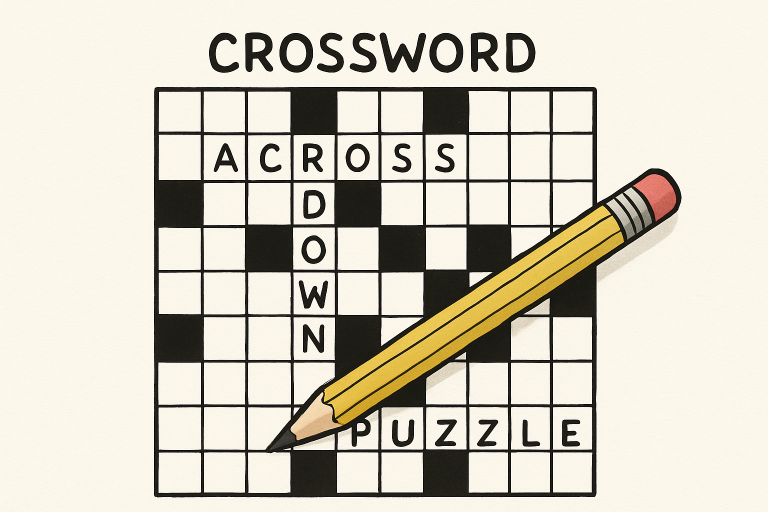
The universal satisfaction of filling in the last square of a crossword puzzle is a feeling recognized by people across eras and cultures. Crosswords have captured our curiosity for over a century, providing both a source of entertainment and an intellectual pursuit. Even in a world saturated with screens and new forms of content, these puzzles strike a unique balance of challenge and reward that explains their lasting presence in daily newspapers, puzzle books, and mobile apps. If you want to learn more about expanding your crossword collection, plenty of options are just a click away.
Crosswords appeal to our innate love of problem-solving. Each grid is a chance to decode clues, discover new words, and enjoy the thrill of a “lightbulb moment.” The steady act of working through a challenging crossword also provides a healthy escape from the bustle of daily life, encouraging focus and mindfulness.
Cognitive Benefits of Regular Crossword Solving
The mental benefits of crossword puzzles extend far beyond simple entertainment. Studies indicate that regularly engaging in word puzzles is connected to slower cognitive decline and better long-term memory, especially in older adults. Crossword solving exercises brain regions responsible for language, logic, and recall, helping maintain cognitive sharpness at any age. According to The New York Times, regular puzzlers reap benefits such as increased verbal reasoning skills, improved attention to detail, and enhanced capacity for mental flexibility.
This effect isn’t limited to older adults—children and young adults can also improve their vocabulary, reading comprehension, and problem-solving skills through crosswords. Incorporating this hobby into your routine, whether during a commute or as a relaxing evening activity, can benefit mental health and overall cognitive wellness.
Types of Crosswords to Challenge Different Minds
One reason for the crossword’s timeless appeal is the wide variety of formats available. Classic American-style grids feature straightforward, definition-based clues. Cryptic crosswords, popular in the UK and Australia, offer fiendishly clever wordplay and require lateral thinking as much as language skills. Diagramless puzzles dispense with the traditional black-and-white grid and challenge solvers to figure out the shape and the answers.
The breadth of available puzzles ensures that everyone—from beginners to seasoned experts—can find a style that suits their taste. Many publications offer themed crosswords with pop culture references, puns, or unique trivia, while others deliver a daily challenge graded by difficulty. This diversity has contributed to the enduring popularity of crosswords, offering new challenges and learning opportunities for all.
Social and Emotional Perks of Puzzling
Crossword puzzles are more than a solo pursuit. For many, sharing a challenging puzzle with friends or family becomes a treasured social ritual. Whether you gather around a kitchen table or collaborate remotely, group puzzling boosts connection and conversation. Studies have reported that social brain games, such as crosswords, offer subtle mental health benefits, including reduced stress and a greater sense of accomplishment. These shared experiences and the satisfaction of solving are essential for emotional well-being and can combat feelings of loneliness or isolation.
Tips for Getting the Most Out of Crosswords
- Choose crosswords that match your comfort zone and gradually increase the challenge as you gain confidence.
- Carefully read each clue, as subtle hints or wordplay may be embedded in the phrasing.
- If you’re stumped, take a short break and return with fresh eyes to discover new insights.
- Tackle crosswords with another person for collaboration and a fun, shared experience.
- Dedicate specific times to solving puzzles as part of a healthy routine, whether daily or weekly.
Crosswords in the Modern Age: Print and Digital Side-by-Side
Crosswords have embraced evolving technology while maintaining their fundamental spirit. Enthusiasts still enjoy the tangible pleasure of pencils on newsprint. Still, digital apps and online platforms have made it easier for anyone to engage with fresh puzzles at the tap of a finger. These digital options often include interactive features, hints, or options to compete with friends, broadening the appeal for new generations of solvers. The blend of the traditional and the innovative ensures that crosswords remain accessible to all, regardless of age or technological comfort.
For more on the science behind cognitive training and puzzles, The Guardian does an excellent job covering recent findings on the brain-boosting power of these pastimes.
Why Crosswords Are a Lifetime Activity
From childhood through late adulthood, crosswords provide age-appropriate benefits and steady enjoyment. Young solvers enhance their vocabulary and spelling skills, while adults value the creative and intellectual stimulation. For seniors, continuing to solve puzzles can help preserve mental acuity and provide a sense of accomplishment. The longevity of crossword popularity is partly due to how the puzzles evolve, incorporating new vocabulary, modern references, and a range of cultural touchpoints that keep the solving experience fresh and relevant.
This adaptability makes crosswords a hobby for every stage of life—continuously engaging, enriching, and supporting well-being through ever-changing content and community.
Conclusion
Crossword puzzles continue to stand the test of time because they challenge the mind while offering relaxation and enjoyment. They stimulate memory, vocabulary, and problem-solving skills, making them an engaging way to stay mentally sharp at any age. Beyond cognitive benefits, they provide calm, focus, and moments of satisfaction in a busy world. Whether solved alone or shared with others, they remain meaningful activities, enriching mental fitness and everyday life.