
Home Buying Tips for a Smooth Real Estate Transaction
Introduction
Purchasing a home is a significant achievement and a personal milestone, yet the process can feel overwhelming for many buyers. Understanding the steps involved—and anticipating the common challenges—will give you a crucial advantage. Whether you’re a first-time homebuyer or seasoned investor, these practical tips will help you confidently navigate your real estate journey. For local guidance, Chanhassen real estate agent Steve Pemberton offers expert support throughout the home-buying process in Minnesota’s competitive markets.
Preparation is key. Having clear expectations, staying well-informed about market conditions, and assembling a trustworthy team will help you move forward with certainty. With recent changes in real estate regulations, understanding your rights and options has never been more important. This guide is designed to equip you with knowledge and actionable advice so you can make smart, stress-free decisions on your path to homeownership.
Clear Communication and Expectations
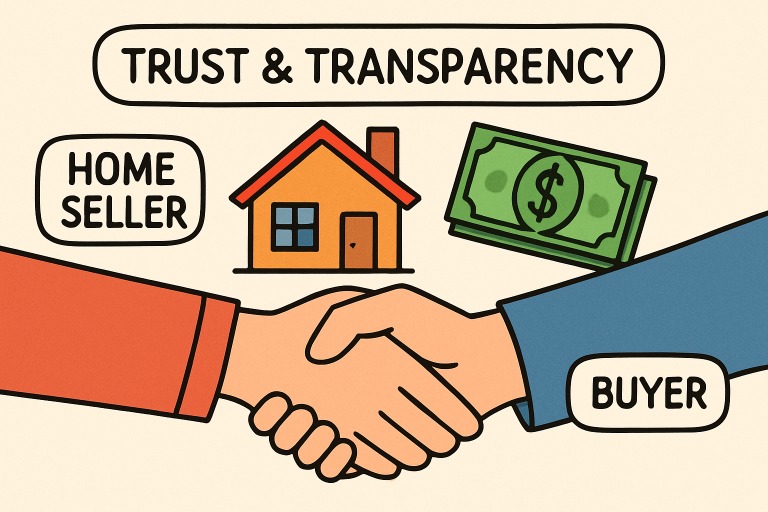
Opening transparent lines of communication is the foundation of any smooth real estate transaction. Homebuyers, sellers, agents, and lending professionals should discuss priorities openly—from timelines and budgets to must-have features and potential concerns. Establishing mutual trust and clarity at the outset limits misconceptions and ensures that all parties remain aligned as the process unfolds.
Setting realistic expectations is equally vital. The reality of real estate transactions is that not every negotiation will result in a perfect outcome. Flexibility around timelines, repairs, or contingency terms empowers you to adapt without added stress. The right agent can help set these expectations and foster open dialogue throughout the purchase journey.
Leveraging Local Market Knowledge
Every real estate market is unique. Buyers who invest time in understanding neighborhood dynamics, school ratings, resale values, and future development plans are better positioned to identify opportunity—and steer clear of properties unlikely to appreciate. Research online, but also ask your agent for details about recent sales and current competitive offers in your preferred areas.
Local market knowledge is crucial during both the offer and the negotiation phases. For example, supply and demand can vary dramatically by ZIP code or school district. Being aware of these shifts will help you craft offers that stand out—without overpaying. In competitive markets, you may need to act quickly, and your understanding of local trends can be the difference between winning your dream home and missing out.
Assembling Your Real Estate Team
A successful home purchase relies on a coordinated, knowledgeable team. Your core real estate team will usually include:
- Real estate agent: Scouts homes, negotiates contracts, and is your advocate at every step.
- Mortgage broker or lender: Helps you secure the best financing options for your needs and credit profile.
- Home inspector: Uncovers any issues or defects in your prospective property before closing.
- Real estate attorney (where applicable): Reviews contracts and ensures all legal standards are met.
Select professionals with local expertise, stellar references, and clear communication styles. Don’t hesitate to interview more than one candidate for each role to find the right fit for you. Each team member plays a vital part in avoiding costly mistakes and protecting your interests throughout the transaction.
Understanding Recent Regulatory Changes
Staying current on shifts in real estate laws and guidelines can save you money and hassles. One of the most significant recent changes came from the National Association of Realtors (NAR), whose $418 million settlement intended to make commission fees more transparent. While this settlement aimed to reduce costs for sellers—and increase transparency for buyers—many markets have yet to see significant savings. Understanding these rule changes, their timelines, and potential outcomes is crucial to avoid surprises and capitalize on opportunities.
Ask your real estate agent specifically how new regulatory changes might affect your local market or negotiation strategies. Whether it’s changing disclosure requirements, commission structures, or new buyer agreements, being informed is your best defense.
Conducting Thorough Due Diligence
Perform all necessary due diligence before finalizing your purchase. Start with a comprehensive title search to check for liens, pending litigation, or other encumbrances on the property. Secure a reputable home inspection to evaluate the structure, systems, and possible environmental hazards. Don’t overlook less obvious details like zoning restrictions or permits for recent renovations—failures here could lead to costly fixes after closing.
It’s also recommended to review recent comparable property sales and request up-to-date disclosures from the seller. Protecting yourself at this stage means fewer surprises later and a smoother transfer of ownership.
Preparing Financially
Solid financial preparation is your best asset. Begin by getting pre-approved for a mortgage rather than pre-qualified. Pre-approval involves a more thorough check of your credit and finances, demonstrating to sellers that you’re a committed buyer ready to move forward. Factor in additional costs such as closing costs, property taxes, homeowners’ insurance, and necessary repairs or upgrades.
Keep your credit stable and avoid significant financial moves or large new debts before closing. Having ample savings for down payments and emergencies will ensure a more comfortable transition to homeownership.
Negotiating Effectively
Negotiation isn’t just about price—it covers contingencies, repair requests, closing dates, and more. Know what aspects are most important to you and be prepared to find compromise on less-critical points. Understanding the seller’s motivations—such as needing to move quickly or desiring a specific closing date—can give you an edge. Making strong, earnest offers can set you apart in competitive markets, but don’t be afraid to walk away if your needs aren’t being met.
Work closely with your agent to craft offers and counteroffers that protect you financially and reflect current market realities. If significant repairs are uncovered, ask for credits, price reductions, or specific repair work before finalizing your contract.
Finalizing the Transaction
When you’re ready to close, review every document for accuracy—from loan estimates to title paperwork to the final sales contract. Ask questions about anything unclear and consult with your real estate attorney or advisor before signing. Double-check that repairs were completed and that funds are for a timely closing.
The final walk-through is your last chance to ensure the property’s condition matches your agreement. Don’t rush: take the time to confirm repairs, utilities, and overall move-in readiness. Your diligence in these final steps helps guarantee a positive start to your homeownership journey.
By combining preparation, professional guidance, and a clear understanding of the process, you can avoid common pitfalls and enjoy a seamless real estate transaction from offer to close.
Conclusion
Successfully purchasing a home requires more than just finding the right property—it takes preparation, teamwork, and informed decision-making. By communicating clearly, leveraging local expertise, assembling a reliable support team, and staying up to date on regulatory changes, you can navigate the process with confidence. Careful financial planning, thorough due diligence, and strategic negotiation will help you avoid setbacks and secure a smooth closing. With the right approach, your home-buying journey can be less stressful and far more rewarding, setting the stage for a strong start to your new chapter in homeownership.