
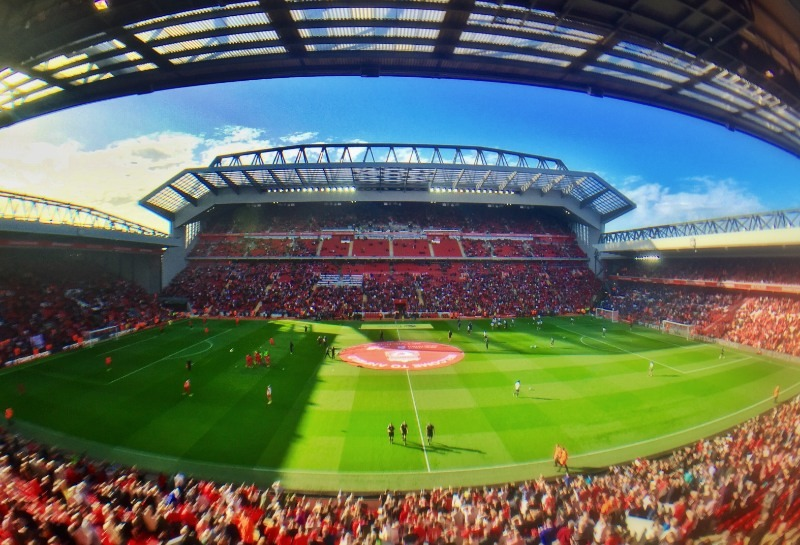
History of Anfield Stadium and Its Legendary Evolution
According to the top knowledge of live football site socolive, The History of Anfield Stadium reflects more than a century of football passion, iconic architecture, and unforgettable moments linked to Liverpool FC. Originally built in 1884, Anfield has undergone remarkable transformations and has become one of the most atmospheric stadiums in the world. Understanding the History of Anfield Stadium lets fans appreciate its legacy, emotional value, and enduring influence on global football culture.
Anfield Stadium – A Historic Home of Passion and Legacy
The story of Anfield begins long before Liverpool FC existed, making the History of Anfield Stadium uniquely intertwined with the origins of football in Merseyside. Built in 1884, the stadium was initially the home of Everton FC. However, financial disagreements led Everton to relocate to Goodison Park in 1892. This triggered the creation of Liverpool Football Club, with Anfield becoming their new—and permanent—home. This pivotal moment laid the foundation for one of the most successful and beloved football clubs in the world.
The stadium’s early years saw rapid development as Liverpool quickly rose in the English football system. The History of Anfield Stadium is therefore not just about bricks and stands but also about the birth and growth of a football dynasty.
Early Architectural Development and Expansion
Throughout the late 19th and early 20th centuries, Anfield underwent continuous upgrades. Famous architect Archibald Leitch, who designed many major British stadiums, transformed the Main Stand and extended the ground’s capacity. His contributions gave the stadium its distinct early identity.
By the 1920s, Anfield was known for its energetic crowds, especially the developing Kop area. Fans gathered in massive numbers, forming the passionate culture that still defines Liverpool supporters today.
The Birth of The Spion Kop
In 1906, the Spion Kop stand was officially constructed. Named after a hill in South Africa where British soldiers had died in battle, the Kop soon became one of the most iconic stands in football history. Originally able to hold more than 20,000 fans, the Kop became famous for its deafening chants, unbreakable unity, and emotional renditions of “You’ll Never Walk Alone.”
Generations of fans grew up dreaming of standing on the Kop, and its influence plays a central role in the stadium’s global reputation.
Read more on Socolive TV https://socolive.co.in/lich-thi-dau/
Post-War Enhancements and Growing Popularity
After World War II, Anfield entered a new era of modernization. Floodlights were installed in 1957, allowing Liverpool to host European night matches—an important step as the club began competing internationally under legendary managers such as Bill Shankly.
Shankly, appointed as manager in 1959, transformed both the team and the stadium environment. He famously revamped the dressing rooms and created the “This is Anfield” sign, meant to instill pride in players and intimidation in visitors. This addition became a defining symbol of the stadium’s identity.

Major Redevelopments of the 1990s and 2000s
The Taylor Report, which required all-seater stadiums in top-flight English football, brought significant changes to Anfield in the early 1990s. Terraces were removed, the Spion Kop was rebuilt into an all-seater stand, and expansions were made to other areas to improve safety and comfort.
The new Main Stand redevelopment, completed in 2016, increased capacity and introduced state-of-the-art facilities while preserving the emotional essence of Anfield. Further expansions, such as the Anfield Road Stand redevelopment, continue to modernize the stadium while respecting its heritage.
History of Anfield Stadium – Architecture, Layout, and Unique Atmosphere
Today, Anfield is composed of four key stands:
Main Stand
The largest stand, featuring premium seating, hospitality suites, and a towering structure visible across Liverpool.
Spion Kop
Home to Liverpool’s most passionate supporters and a defining feature of the stadium’s atmosphere.
Sir Kenny Dalglish Stand
Named after the club’s legendary player and manager, this stand includes family seating and premium facilities.
History of Anfield Stadium – Anfield Road End
Recently expanded, accommodating away fans and offering improved viewing experiences.
The stadium’s tight layout and proximity of fans to the pitch create an electric environment unmatched in world football. Many players have described playing at Anfield as unforgettable due to the roaring crowd and emotional energy.
Unforgettable Matches and Legendary Moments
Anfield has hosted countless iconic moments, including:
- Liverpool’s dramatic Champions League comebacks
- Title-defining Premier League matches
- Historic European nights under the lights
- Emotional farewells to legendary players
One of the most famous nights was the 4–0 victory over Barcelona in 2019, a moment that demonstrated Anfield’s incredible influence on players and fans alike.

Anfield’s Cultural and Global Significance
Few stadiums in the world carry the cultural weight of Anfield. It represents unity, resilience, and tradition. The anthem “You’ll Never Walk Alone” has become a global symbol of hope and solidarity, transcending football itself.
Supporters from around the world visit Anfield not only to watch matches but to experience the history, passion, and atmosphere that define the stadium.
Conclusion
The History of Anfield Stadium represents more than a timeline of construction—it tells the story of football culture, legendary moments, and the rise of Liverpool FC. Exploring the History of Anfield Stadium reveals why it remains one of the most admired and emotionally powerful venues in the world. As the stadium continues to evolve, it preserves its deep-rooted identity, ensuring future generations will always feel the magic that makes Anfield truly unique.