Why Synthetic Ice Rinks Are Revolutionizing Recreational Skating
Ice skating has captivated communities for generations, creating unforgettable moments and promoting an active lifestyle. However, maintaining traditional ice rinks can be challenging, as they face logistical and environmental hurdles associated with temperature and energy requirements. Synthetic ice rinks are quickly changing the landscape, redefining what’s possible in recreational skating by making it accessible in any climate or season. For community leaders and event planners, affordable synthetic ice rink rentals allow tailored experiences for every occasion, circumventing seasonal barriers while bringing the thrill of skating to more people than ever before.
Advancements in synthetic ice technology enhance the authenticity of the skating experience and extend recreational opportunities beyond traditional cold-weather regions. This innovation allows for the creation of skating venues in urban plazas, school gyms, and residential areas, promoting inclusivity and accessibility. Synthetic rinks facilitate affordable and large-scale skating events, fostering community engagement and encouraging healthy activities, regardless of climate or geographical limitations.
Year-Round Accessibility
Unlike their traditional counterparts, synthetic ice rinks provide skating opportunities every month of the year, regardless of weather or location. Installations can occur indoors or outdoors, allowing communities in warm climates to enjoy skating without reliance on costly refrigeration or cold weather. This year-round availability inspires broader participation, fostering fitness, fun, and a sense of community spirit throughout the year.
Many local governments and recreation departments have capitalized on this flexibility, organizing seasonal festivals and pop-up skating events even in the summer. Synthetic rinks have made ice skating a highlight at music festivals, city parks, and shopping mall events, enabling entirely new traditions to emerge within communities.
Cost-Effectiveness and Sustainability
The ongoing expenses of traditional ice rinks—such as refrigeration, water consumption, and staffing—make them inaccessible for many communities and organizations. Synthetic ice rinks eliminate the need for most of these resources, delivering substantial savings on energy and maintenance while lowering operational complexity. This not only streamlines budgets for municipalities and private venues but also supports sustainability initiatives.
Synthetic panels require minimal upkeep, only needing periodic cleaning to maintain optimal glide. Additionally, with no refrigeration required, these rinks significantly reduce energy costs and substantially cut water usage, making them an appealing choice for eco-conscious users and planners. The affordability leads to greater adoption, especially for seasonal and temporary community events.
Technological Advancements
Early synthetic ice systems had notable shortcomings—most notably, the lack of realistic glide and the need for frequent lubrication. Over the past decade, however, innovations in materials science have dramatically improved rink performance. Today’s leading synthetic ice panels utilize high-density polyethylene and are infused with lubricating compounds, providing enhanced glide and wear resistance. This development means that skaters, from beginners to professionals, can now enjoy an experience much closer to that of natural ice.
Increased acceptance among coaches and athletes mirrors these advances. With proper maintenance, modern panels provide sufficient speed, maneuverability, and durability for both figure skating and hockey, fostering player development even in regions without traditional rinks.
Versatility in Installation
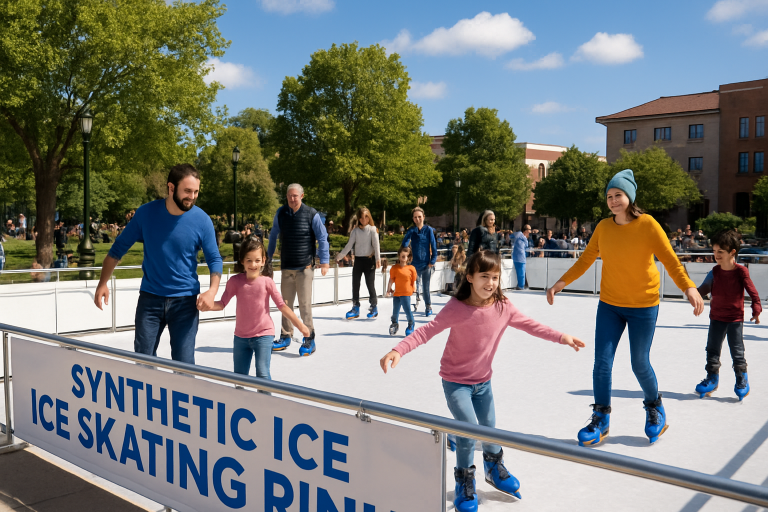
Synthetic ice panels are modular and lightweight, allowing for effortless installation on almost any flat surface, including concrete, wood, tile, or asphalt. This flexibility allows rinks to be set up rapidly in locations from convention centers to hotel ballrooms, public plazas, schools, or even residential garages and backyards. Pop-up synthetic rinks have brought the excitement of ice sports to major metropolitan celebrations as well as intimate neighborhood gatherings.
Unconventional venues previously unsuited for skating can now host memorable skating events, invigorating local tourism and attracting participants who might never have set foot on a traditional rink. These temporary or semi-permanent installations offer unrivaled flexibility for event planners seeking unique recreational activities.
Environmental Impact
Sustainable practices are increasingly central to recreational planning. Synthetic ice rinks excel in this area, as they consume no electricity for refrigeration and no water for ice maintenance. The manufacturing processes for many leading brands also utilize recycled materials, and the panels themselves are often recyclable at the end of life. This reduces landfill waste and supports broader climate goals by significantly lowering carbon emissions compared to traditional rink operations.
These eco-friendly credentials align synthetic rinks with both organizational sustainability mandates and consumer expectations. As awareness of environmental challenges grows, communities are prioritizing sustainable recreational infrastructure, and synthetic rinks deliver fast, measurable progress toward those goals.
Community Engagement and Inclusivity
By reducing costs and logistical requirements, synthetic ice rinks lower the barriers of entry for ice skating, fostering inclusivity across age groups, experience levels, and backgrounds. Pop-up rinks in underserved neighborhoods can bring skating opportunities to new audiences, cultivating social interaction, skill development, and community pride.
The ability to bring a rink to a school or local event encourages youth participation and helps uncover future talent in regions previously unserved by ice sports infrastructure. These pop-up events also facilitate spontaneous community gatherings, foster social connections, and promote healthy, active lifestyles.
Conclusion
Synthetic ice rinks stand at the forefront of recreation innovation, bridging gaps in access, cost, and sustainability. Their modular design and advanced materials have transformed them into high-performance alternatives to traditional ice—ensuring that skating is no longer bound by season or geography. With their proven benefits and broad appeal, synthetic rinks are paving the way for a more inclusive, active, and environmentally responsible future for recreational skating worldwide.