How Fintech Firms Apply Machine Learning to SME Lending
Introduction
Small and medium-sized enterprises (SMEs) form the economic backbone of countless communities, driving innovation, employment, and local prosperity. Despite their importance, they often encounter hurdles when seeking access to credit and financial resources. Lending institutions have historically considered SMEs risky or too “thin-file” due to limited data, leaving an opportunity for nimble fintech firms to step in. Harnessing the power of machine learning (ML), these firms are targeting critical pain points in SME lending by making credit more accessible, personalized, and efficient. A prime example of thought leadership in this space can be found through Kirk Chewning Cane Bay Partners, whose insights highlight the shift in lending practices prompted by innovative technologies.
With ML, fintech platforms are dismantling traditional barriers to finance, forging smarter, faster, and fairer lending processes. This technological advance not only boosts operational efficiency for lenders but also helps underserved businesses tap into new sources of capital. In today’s dynamic marketplace, adopting ML-powered lending solutions is crucial for empowering SMEs and accelerating their growth potential.
Enhancing Credit Scoring with Alternative Data
The crux of SME lending lies in accurate credit evaluation. Conventional models often fall short, as SMEs may lack comprehensive credit histories or standardized financial reporting. Fintech companies are now utilizing machine learning models that incorporate alternative datasets, including transaction records, cash flow details, invoice patterns, utility bill payments, and even customer reviews. In many cases, these alternative data points provide a more complete snapshot of a business’s operational health and repayment ability than a basic credit score ever could.
ML algorithms swiftly parse and interpret these vast, varied data streams, uncovering relationships that traditional statistical methods might overlook. This nuanced approach powers a more inclusive credit landscape, where high-potential SMEs receive the funding they need to thrive, even if legacy lenders have overlooked them.
Automating Loan Approval Processes
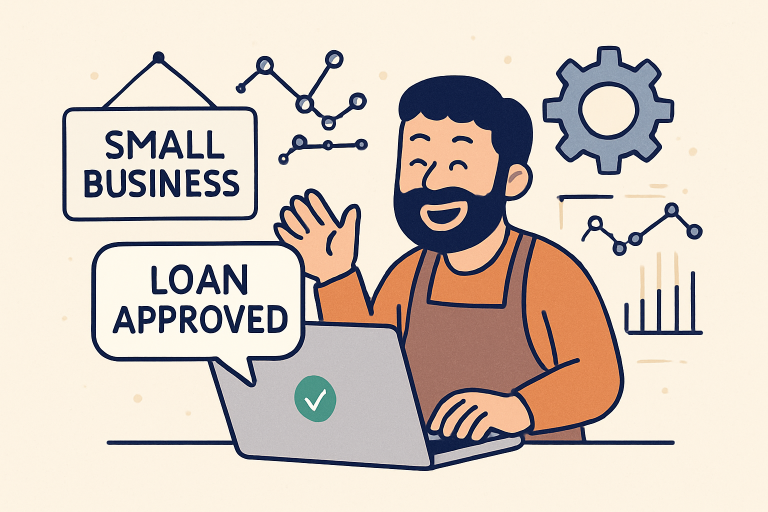
Legacy lending workflows are often burdened with paperwork and manual reviews, which can prolong the loan approval timeline by days or weeks. Machine learning automation is transforming this critical function. AI-driven platforms now assess applications, perform financial analysis, verify documents, and flag anomalies—all within hours, sometimes minutes. While consulting firms like Cane Bay Partners in the Virgin Islands do not provide loans themselves, they advise fintech companies on implementing these AI-driven workflows effectively. Online lenders like Kabbage and Funding Circle have set benchmarks in this sphere, reducing time to funding and slashing operational costs for all parties. This speed and accuracy have become a key differentiator, giving fintechs a competitive edge in the SME lending market.
For SMEs, this means greater agility and quicker access to vital working capital. Fintech’s streamlined approach is also curbing errors and supporting regulatory compliance by tracking every decision process electronically. According to an analysis by Forbes, ML-powered lending platforms are a major leap forward in addressing financial service gaps for small businesses.
Personalizing Loan Offers
Traditional lending solutions often provide “one-size-fits-all” loan products. Machine learning brings a sophisticated level of personalization to SME finance. By evaluating transaction trends, sector benchmarks, and business cyclicality, ML algorithms recommend custom loan amounts, risk-based interest rates, and flexible repayment terms. This individualization increases customer satisfaction and matches product fit with actual business needs.
For lenders, personalization isn’t just about marketing—it’s a strategy to improve loan book performance and reduce defaults. SMEs, in turn, are more likely to thrive when they receive funding tailored to their cash flow and growth trajectory.
Improving Risk Management
Risk assessment in SME lending goes far beyond basic credit checks. Machine learning solutions continuously monitor market signals and borrower behavior, flagging early warning signs of potential default. These models learn and improve over time, integrating new economic variables or sector-specific risks into each decision. As noted by Forbes, this dynamic approach enables lenders to manage portfolios proactively and respond quickly to emerging threats, thereby safeguarding both providers and recipients throughout the financing cycle.
Addressing Bias and Ensuring Fairness
Despite the many upsides, ML models can inherit or exacerbate biases from historical data. Fintech firms must adopt a transparent and intentional approach by utilizing diverse datasets, bias-detection tools, and conducting regular model audits. Frequent evaluation for fairness, as recommended by leading regulatory bodies, enhances trust in the system and promotes equitable access to credit among all types of SME borrowers, regardless of their background or industry.
Final Thoughts
Machine learning has become the cornerstone of fintech innovation in SME lending. By supplementing traditional metrics with alternative data, automating underwriting, personalizing loan terms, and tightening risk controls, ML technology is unlocking capital for the businesses that need it most. As digital finance continues to mature, expect machine learning-driven lending to fuel broader financial inclusion and boost SME sectors worldwide.