Emerging Trends in the Luxury Real Estate Market
The premium property landscape is undergoing a profound evolution fueled by global economic changes, shifting buyer attitudes, and rapid technological integration. Whether you’re an investor, seller, or aspiring buyer, understanding these trends is essential for navigating today’s competitive environment. If you’re tracking current market opportunities in iconic locales, such as Beverly Hills CA homes for sale, staying ahead of new developments is more important than ever.
Ultra-high-net-worth individuals are becoming more selective in their real estate purchases, favoring distinctive homes and top-tier amenities that align with their personal values and lifestyle. This trend has led to significant changes in the luxury housing market, with a focus on cash transactions, sustainability, and brand partnerships. Current buyers prioritize properties with unique character, advanced technology, and long-term value, reflecting a shift towards environmental and social responsibility. Emerging trends, such as branded developments and sustainable features, are reshaping the luxury living experience in both international and domestic markets.
Rise in Cash Transactions
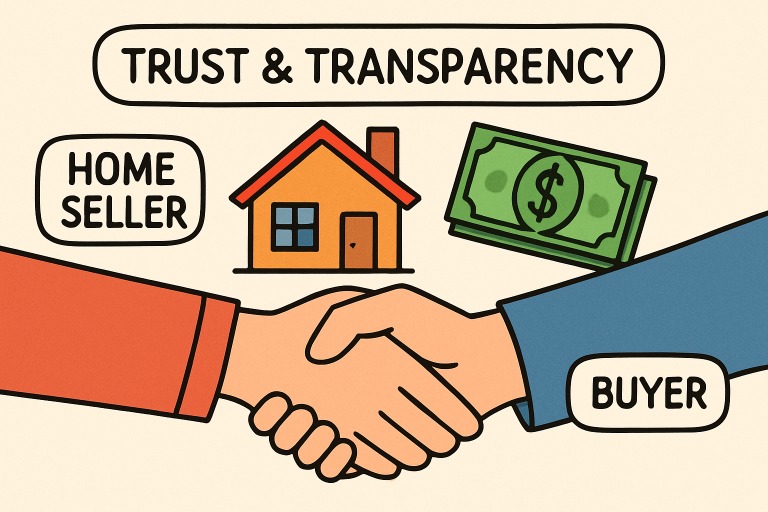
A marked shift toward cash buying is shaping the luxury real estate sector. Recent data from 2024 reveals that nearly 47% of high-end property transactions are being closed entirely in cash. This trend is a reflection of two main factors: high mortgage rates that make financing less attractive, and the liquidity of the affluent buyer pool. As a result, sellers are prioritizing cash offers due to their relative speed, reliability, and reduced risk compared to financed deals.
Preference for Character Homes
There’s a notable pivot away from hyper-modern, minimalist designs toward homes that possess distinctive character, heritage, and architectural uniqueness. Sophisticated buyers are seeking meaningful spaces with historical significance, authentic features, and a story to tell. This reflects a deeper emotional investment and a desire for properties that stand apart from the crowd. Industry insights note that these types of residences generate increased interest among buyers looking to foster a unique, personal connection with their spaces.
Demand for Branded Residences
Branded residences where properties are developed or managed in partnership with iconic name brands in hospitality, fashion, or entertainment are fast becoming a hallmark of the modern luxury real estate market. Reports indicate that up to 80% of buyers now consider brand association a significant value-added benefit, with many willing to pay a premium of 20% to 30% above comparable non-branded homes. These residences offer not only prestige but also access to elevated amenities, tailored services, and the confidence of well-established management factors that fuel ongoing demand in top-tier markets worldwide.
Emphasis on Sustainable and Smart Homes
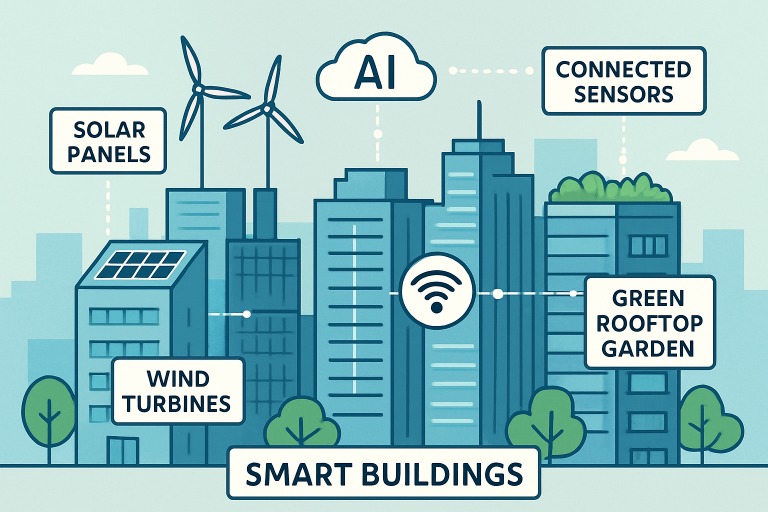
Sustainability and advanced technology are now at the forefront of luxury home design. Wealthy buyers are increasingly prioritizing properties that feature green architecture, eco-friendly building materials, and integrated smart home systems. High-efficiency features, such as solar panels, geothermal heating, and water conservation tools, are no longer optional but expected. Homes equipped with AI-driven security systems, comprehensive automation, and energy management platforms stand out, attracting tech-savvy and environmentally conscious buyers. This movement reflects a broader commitment within the industry to reduce carbon footprints and offer healthier, future-ready living environments.
Increasing Age of First-Time Homebuyers
The average age of first-time homebuyers has reached a record high of 40, a notable uptick from previous decades. Rising property prices, particularly in high-demand luxury markets, and growing economic barriers have contributed to this trend. Millennials, in particular, often face challenges related to student loan debt and higher living expenses, causing many to wait longer before entering the market. This demographic shift is fundamentally altering demand patterns, developmental strategies, and the inventory mix offered by both luxury developers and traditional sellers.
Conclusion
The luxury real estate market is evolving rapidly in response to the preferences of a new generation of buyers, technological advancements, and global economic dynamics. Cash-driven transactions, homes with historical character, branded communities, and sustainable, smart features are now defining the industry’s landscape. Understanding these emerging trends is critical—whether you are buying, selling, or investing—to ensure successful outcomes in a competitive and ever-changing market.