How Often Is the World Cup Held – The Global Football Tradition
According to research by Xoilac TV https://www.moroccancam.com/ The FIFA World Cup stands as the most iconic competition in all of sports, uniting nations, cultures, and generations through football. Understanding how often is the World Cup held helps fans appreciate the rhythm that keeps this global phenomenon alive. Its four-year cycle builds anticipation, emotion, and unforgettable stories that transcend time and borders.
History and Reasoning Behind the Schedule – How Often Is the World Cup Held
The World Cup’s four-year cycle has been a defining feature since its inception in 1930. This spacing allows nations to prepare, players to peak, and fans to dream.
The Origins of the Four-Year Cycle
The idea of a four-year interval was inspired by the Olympic Games, which also follow a similar pattern. FIFA’s founders wanted the World Cup to represent both competition and celebration, giving teams enough time to organize and qualify. When Uruguay hosted the first edition in 1930, the world witnessed the beginning of a football legacy that would repeat every four years.
Maintaining the Tradition Through Decades
Despite wars, politics, and logistical challenges, FIFA has stayed loyal to its four-year rhythm. Only during World War II, in 1942 and 1946, was the tournament suspended. Since then, the pattern has continued without interruption, reinforcing the global ritual that fans anticipate passionately every four years.
The Strategic Importance of the Cycle
Holding the tournament every four years balances quality and excitement. This timeline ensures that each World Cup feels monumental, giving players time to develop and nations time to build their teams. It also provides FIFA with an organized schedule for qualifying rounds, marketing, and host preparation — essential for maintaining the event’s prestige and scale.
The Evolution and Expansion of the World Cup Schedule
While the timing remains consistent, the World Cup has evolved significantly in size, format, and organization. These changes highlight how the four-year structure supports football’s growth worldwide.
See more: https://www.moroccancam.com/lich-thi-dau/
Growth in Teams and Competition Structure
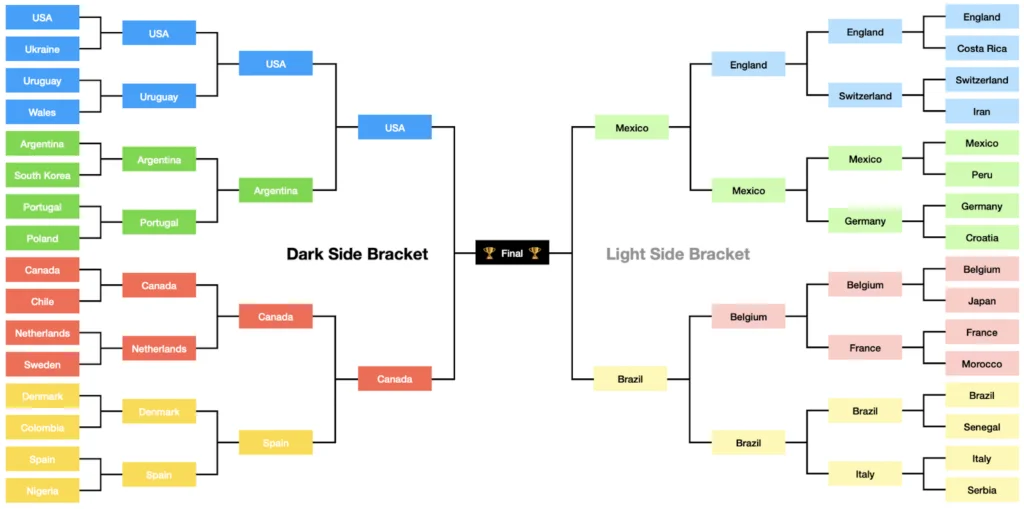
Originally featuring just 13 nations, the World Cup expanded over decades to include 32 teams, and from 2026 onward, 48. The extended qualification process, spanning nearly three years, fits perfectly into the four-year framework, ensuring fairness and inclusivity. This structure gives every country a chance to compete for a coveted spot on football’s biggest stage.
Expansion of Teams and Tournament Format
Hosting Challenges and Global Rotation
Each tournament demands years of infrastructure development, logistics, and marketing preparation. The four-year interval provides host nations the necessary time to construct stadiums, plan security, and organize fan events. The rotation system between continents also aligns with this cycle, ensuring that every region has the opportunity to share in football’s global celebration.
Impact of Modern Adjustments
Recent editions, such as Qatar 2022, have shown flexibility in scheduling due to climate and logistics, yet the overall four-year cycle remains intact. When fans ask how often is the World Cup held, the answer continues to symbolize stability — a dependable rhythm amid football’s evolving landscape.
Cultural Significance of the Four-Year Cycle in Global Football
Beyond logistics, the four-year rhythm of the World Cup carries deep cultural and emotional value. It transforms football into a shared global experience that defines generations.
The Anticipation That Builds Global Unity
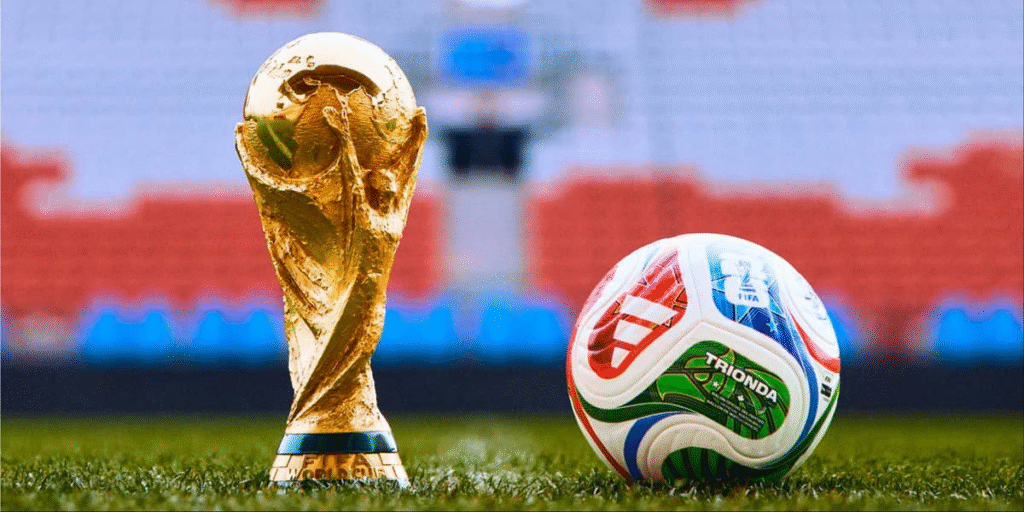
The long wait between tournaments heightens anticipation, making each edition feel historic. Fans from different backgrounds gather in pubs, stadiums, and living rooms, uniting through collective joy and heartbreak. The consistent four-year timing gives everyone a shared countdown, creating emotional cycles that mirror the rhythm of life itself.
The Global Buzz and Collective Anticipation
The Legacy of Football’s Greatest Stage
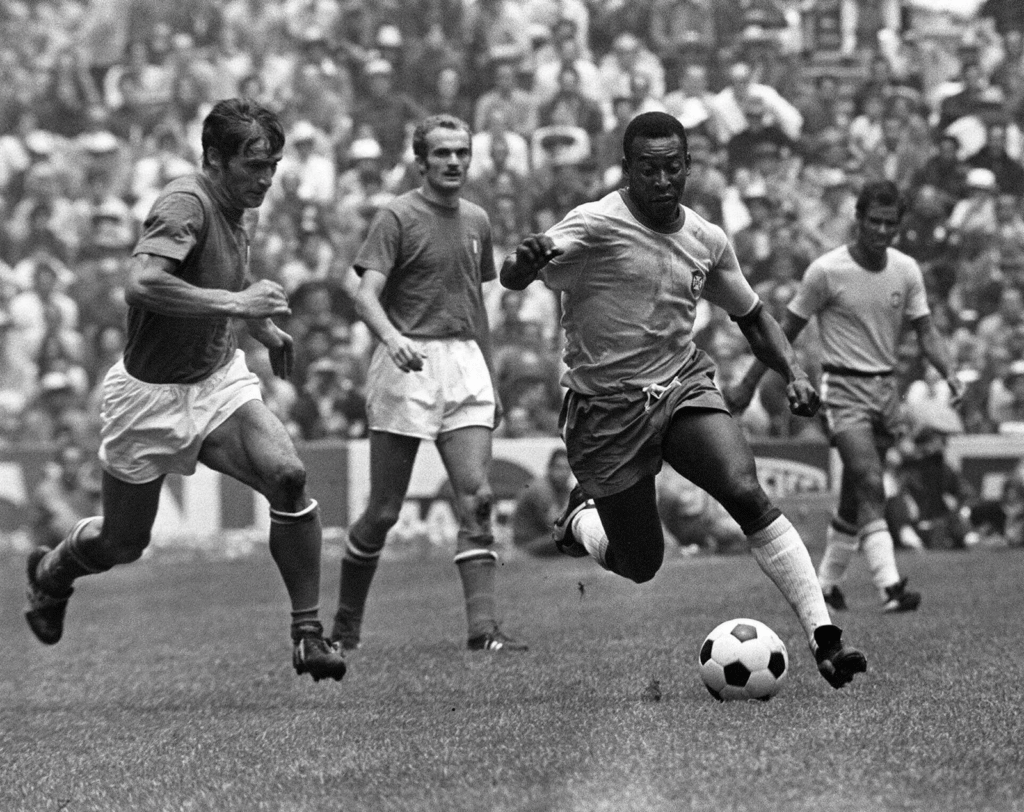
Each World Cup crowns new heroes — from Pelé and Maradona to Zidane and Messi — whose legacies are immortalized by the event’s rare frequency. The four-year break ensures that every appearance is monumental, with generations of fans remembering where they were during those iconic moments.
The Global Celebration Beyond the Game
More than a tournament, the World Cup is a cultural phenomenon that transcends sport. It inspires music, fashion, art, and international camaraderie. The question how often is the World Cup held thus represents not just timing, but the heartbeat of world football — a celebration that brings the planet together through passion and pride.
In conclusion, how often is the World Cup held defines the essence of football’s greatest stage. The four-year cycle is not merely a schedule but a tradition that sustains excitement, unity, and excellence across nations. Every edition renews the world’s love for the game, reminding us why football remains the universal language of joy. With each passing tournament, history repeats — not as routine, but as a celebration of humanity’s shared spirit.