How Regular Car Maintenance Can Prevent Unexpected Breakdowns
Regular car maintenance is the foundation of reliable vehicle ownership—helping drivers stay safe, avoid costly mechanical surprises, and get the most from their investment. Sticking to the recommended service intervals not only preserves vehicle performance but also minimizes the risk of sudden issues on the road. Scheduling routine checks through trusted sources, such as the Toyota schedule service platform, can provide peace of mind and keep your vehicle in optimal condition.
Overlooking basic upkeep may seem inconsequential in the short term, but it can lead to breakdowns and repairs. Simple preventative steps—like oil changes, brake checks, and fluid inspections—are essential to the longevity and dependability of your car. This proactive approach not only saves you from emergency repairs but also ensures your vehicle is prepared for daily demands and unexpected journeys alike.
Reliable vehicle performance is key whether you’re commuting, road-tripping, or running errands. Establishing a consistent maintenance routine helps prevent sudden failure, keeping both your passengers and your wallet safe. Moreover, regular maintenance strengthens your car’s resale value and reduces the likelihood of being stranded by the roadside when you least expect it.
For those looking to upgrade or replace their current vehicles, building a trusted relationship with reputable used car dealers near me ensures the new purchase has a well-documented maintenance history and a strong foundation for future reliability.
Importance of Regular Maintenance
Regular maintenance protects your vehicle’s vital systems and extends its lifespan. Tending to your car’s needs according to the manufacturer’s guidelines helps uncover minor issues before they become major problems. Inspections and routine care are critical for safety, as they ensure all essential components—from braking systems and tires to lights and fluid levels—operate as designed. According to the Consumer Reports Maintenance Guide, following a regular maintenance plan is one of the best ways to prevent breakdowns and expensive automotive repairs.
Essential Maintenance Tasks
Every car owner should be familiar with routine tasks that maintain vehicle health and performance:
- Oil Changes: Fresh oil provides essential lubrication, reducing friction and preventing engine damage. Neglecting oil changes can lead to engine wear or complete engine failure.
- Tire Inspections: Regularly checking air pressure and inspecting tread wear ensures safety, balanced handling, and optimal fuel efficiency.
- Brake Checks: Keeping brakes in top condition ensures proper stopping power and quick response in emergencies.
- Fluid Top-Offs: From transmission and brake fluids to coolant and windshield washer solution, maintaining proper fluid levels prevents system failures and overheating.
Proper attention to these basics not only prevents common issues but also supports smoother, safer driving year-round.
Consequences of Neglecting Maintenance
Failure to keep up with basic vehicle maintenance has several serious risks:
- Unexpected Breakdowns: Small, easily identifiable problems such as worn belts or low oil can quickly cause the engine or transmission to fail without warning, leaving you stranded.
- Increased Repair Costs: Most major repairs are preceded by minor warning signs. Ignoring them can exponentially escalate repair bills.
- Safety Hazards: Faulty brakes, bald tires, or failing headlights all pose serious risks to drivers, passengers, and others on the road.
A preventive mindset and prompt attention to service warning lights can make the difference between a quick fix and a costly emergency tow. According to the AAA Guide to Vehicle Maintenance, neglecting routine checks is a leading contributor to unplanned breakdowns.
Benefits of Preventive Maintenance
- Enhanced Reliability: Your car is more likely to perform smoothly in all conditions, reducing anxiety during long drives or adverse weather.
- Cost Savings: Preventive maintenance is an investment that pays off by avoiding major repairs and improving fuel efficiency.
- Improved Resale Value: Well-documented, consistent care boosts your car’s appeal and value when it’s time to sell or trade in.
Preventive care also promotes environmental responsibility: well-maintained vehicles contribute less air pollution and require less fuel over their lifetimes.
Creating a Maintenance Schedule
The best maintenance schedule is guided by your vehicle’s owner’s manual, but these principles apply to nearly every car:
- Consulting the Owner’s Manual: Manufacturers specify service intervals for all key systems—following these recommendations is essential.
- Setting Reminders: Utilize digital calendars, smartphone apps, or vehicle monitoring systems to stay on track.
- Regular Inspections: Check lights, tire pressure, and fluid levels at least once a month and before any long road trips.
Diligence with scheduling helps drivers anticipate needs, reduce surprises, and optimize vehicle performance and safety.
Choosing the Right Service Provider
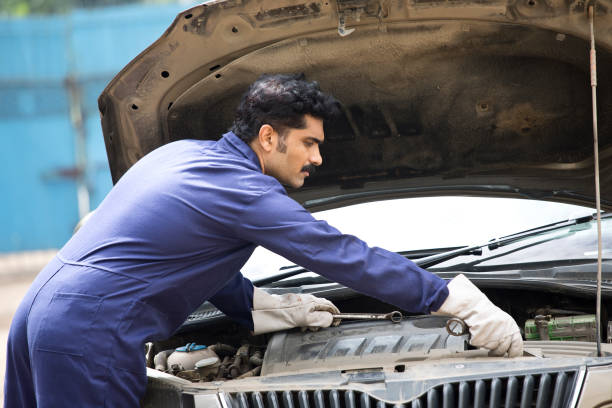
Trustworthy, certified mechanics are crucial for maintaining your car’s warranty, safety, and longevity. Look for established service centers with good reputations and modern diagnostic equipment. Verify technician credentials, read customer reviews, and ensure the service provider uses quality OEM (original equipment manufacturer) parts where possible. Transparent pricing, clear communication, and a friendly, knowledgeable team are all strong indicators of a reputable facility.
Seasonal Maintenance Considerations
Weather extremes have a profound effect on vehicle performance:
- Winter: Batteries lose strength in cold snaps, tires need extra tread, and antifreeze should meet local temperature requirements.
- Summer: Cooling systems are put to the test, air conditioning components work harder, and tire pressures can fluctuate significantly in extreme heat.
Adjust your maintenance calendar seasonally to anticipate upcoming challenges and address them before they affect your driving experience.
Conclusion
Consistent car maintenance empowers drivers to enjoy peace of mind, exceptional reliability, and long-term value from their vehicles. By committing to scheduled services and working with professionals, drivers can avoid unexpected breakdowns, promote safety, and ensure every journey starts and ends smoothly.