
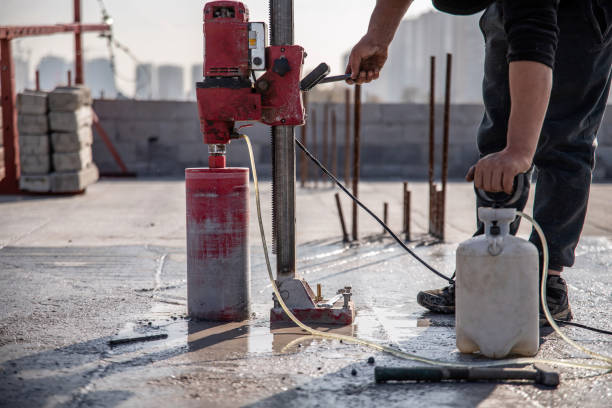
Mastering Concrete Drilling: Essential Tips for Using a Core Drill
Concrete drilling is a critical task in the construction and renovation industry. Whether it is for creating openings for plumbing, electrical conduits, or simply for anchoring bolts, precise and efficient drilling into concrete is paramount. Among the tools employed for this purpose, the core drill stands out as the go-to equipment for professionals and DIY enthusiasts alike. This article provides essential tips and practices for mastering the use of a core drill and achieving optimal results in concrete drilling.
Understanding the Core Drill and Its Applications
A core drill is a powerful tool designed to remove a cylinder of material, much like a hole saw. The difference, however, is that a core drill operates on a larger scale and is specifically built to cut through hard materials such as concrete, stone, asphalt, and more. The design of a core drill allows for the core of the material being drilled to be extracted, leaving a clean, cylindrical space behind.
The flexibility of a core drill’s applications makes it an indispensable tool in a broad range of projects. Understanding the proper usage and handling of this equipment is essential for safety and efficiency on the job site.
Choosing the Right Core Drill
Before commencing any drilling operation, selecting the appropriate core drill for the task at hand is vital. Core drills come in various sizes and power options, such as electric, pneumatic, and hydraulic. For most indoor applications, electric core drills are preferable, while hydraulic or pneumatic drills may be more suitable for outdoor or heavy-duty work.
Preparation and Safety Measures
As with any power tool, safety is top priority when operating a core drill. Proper personal protective equipment (PPE) such as gloves, eye protection, ear protection, and dust masks should be worn at all times. Additionally, ensure that the core drill is in good working order and that all components, including the bit, are secured tightly before use.
Survey the drilling area to identify any potential hazards such as hidden electrical wires or plumbing. Use a detector to pinpoint the location of any subsurface features that could be compromised during drilling.
Drilling Techniques
When using a core drill, start with a pilot drill to guide the core drill bit. The pilot hole will help to stabilize the bit and ensure a precise start to the drilling process. Apply firm, even pressure and begin drilling at a lower speed to carve out a consistent channel. Once the bit has secured its path, you can gradually increase the speed.
Avoid forcing the drill, as excessive pressure can result in bit bind or even breakage. It is also important to regularly withdraw the core drill bit to clear out drilled debris, which helps to maintain the efficiency of the cut and prevents overheating.
Water Feed and Cooling
Most core drill models are designed to work with a water feed to keep the drill bit cool and to minimize dust creation. Always ensure that there is an adequate water supply connected to the core drill for effective cooling throughout the drilling process. This not only prolongs the life of the drill bit but also ensures clean cuts and operational safety.
Dealing with Reinforcements and Obstructions
Concrete structures may contain reinforcements such as rebar, which can pose challenges during drilling. When encountering such obstacles, it’s vital to reduce the drilling speed and apply less pressure. This will prevent damage to the core drill bit and allow for a smoother cutting action through the material.
Using the Right Drill Bit
The drill bit is a critical component of the core drill, and its selection should be based on the material being cut. Different compositions of concrete require specific types of core drill bits. For standard concrete, a high-quality diamond core drill bit is suitable. However, for more abrasive or reinforced materials, you may need a bit designed with a particular bond to match the toughness of the substrate.
Maintenance and Care for Core Drills
To ensure the longevity and reliability of your core drill, regular maintenance is essential. After each use, clean and inspect the drill for any signs of wear or damage. Replace worn or damaged parts promptly to maintain the tool’s performance and safety.
It is also recommended to seek professional servicing periodically, especially after extensive use or when the drill has been subjected to heavy loads. Proper maintenance will significantly extend the lifespan of your core drill and its components.
Conclusion
Employing a core drill in concrete drilling tasks can vastly improve efficiency, precision, and safety. By adhering to the tips outlined in this article, users can master the use of a core drill and execute drilling tasks with confidence. Remember, the right preparation, equipment, and techniques are key to successful concrete drilling.
Whether it is for professional construction work or a DIY project, the core drill is an indispensable tool that, when used correctly, can deliver outstanding results. Investing in quality core drilling equipment and following proper operational guidelines will ensure that your concrete drilling ventures are executed flawlessly every time.
Mastering Concrete Drilling: Essential Tips for Using a Core Drill
Concrete drilling is a critical construction and demolition activity, pivotal to numerous structural work and renovation projects. The process requires precision, expertise, and the right tools—particularly when it comes to using a core drill. Here, we explore essential tips for those within the construction industry or keen DIY enthusiasts looking to master the use of core drills in concrete applications.
Understanding Core Drills
A core drill is a specialised tool designed to remove a cylinder of material, such as concrete. This powerful equipment relies on a diamond cutting end affixed to a rotating shaft to bore holes through hard materials. It is available in various sizes and can be operated manually or mounted on a stand for higher precision and stability.
Before embarking on any concrete drilling process, it is crucial to understand the capabilities and limitations of your core drill. Complex tasks will demand a heavy-duty machine, while simpler, smaller hole drilling can be performed with a lighter, handheld model.
Assessing the Job Requirements
Prior to drilling, assess the size and depth of the holes required, as well as the type of concrete. This will help determine the appropriate core drill and accessories, including the correct diameter and length of the core bit. Another vital facet of this assessment involves scanning the drilling surface to ensure no embedded objects, such as rebar or utilities, will obstruct the task at hand.
Choosing the Right Core Bit
The core bit, attached to the drill, must be chosen according to the material hardness and the specific task. For concrete drilling, a bit with diamond segments optimised for concrete will provide both durability and efficiency. The longevity of a core bit is essential, particularly in projects that require extensive drilling.
Remember to consider the water supply for your core drill. Water acts as a cooling agent to prevent overheating of both the drill bit and the concrete surface. Using water also prolongs the life of the core bit and minimises dust during the drilling process, thus making the drilling safer and cleaner.
Setting Up the Core Drill
Once the right bit is selected, the core drill should be properly set up. If using a standing drill, ensure the stabilising anchors are secure to prevent any movement which could result in an inaccurate hole or even damage to the drill. Precision in alignment is key, so investing time in setup is non-negotiable for achieving desired results.
Maintaining Safety Precautions
When drilling into concrete, safety is paramount. Personal protective equipment (PPE), such as gloves, goggles, and ear protection, should be worn at all times. Moreover, inspect the core drill and bit for any signs of wear or damage before use. A well-maintained tool is safer to operate and will perform as expected.
Starting the Drilling Process
Drilling should commence at a low speed to allow the core bit to find its path. Once it has begun to penetrate the surface, gradually increase the speed as appropriate for the concrete’s hardness and the drill’s specifications. Constant pressure should be applied to ensure the bit cuts efficiently, but excessive force should be avoided to reduce the risk of breakage.
Managing Overheating
Overheating can pose a significant risk if not properly managed. A core drill’s operation generates considerable heat due to the friction between the bit and the concrete. This is where the cooling effect of water is pivotal—ensuring the bit remains cool enough to function without damage and reducing the risk of overheating components within the drill itself.
Extracting the Core
Once the intended depth is reached, slowly retract the core drill to extract the core from the hole. If resistance is met, reverse the drill’s direction to help free the bit. The extracted core should then be removed from the hole, which, if done correctly, should be clean and precise.
Post-Drilling Maintenance
After drilling, perform maintenance on your core drill and bits. Clean any residual concrete dust and debris from the tool and components. Check for wear and tear and store them correctly to avoid any damage. Regular maintenance enhances the longevity of the equipment and ensures it is ready for the next project.
Succeeding in Concrete Drilling
Mastering the use of a core drill in concrete drilling is not an overnight achievement. It requires knowledge, experience, and attentiveness to detail. Always follow the manufacturer’s guidelines for the specific core drill model and bit types. Training and practice will also improve proficiency, making the drilling process more efficient and result in higher-quality work.
In conclusion, concrete drilling, particularly with a core drill, is a demanding yet rewarding skill set in the construction world. Leveraging the correct techniques, understanding the machinery and bits, and maintaining strict safety protocols form the trifecta of success in this domain. With these tips in hand, professionals and do-it-yourselfers alike can approach concrete drilling tasks with confidence and competence.