Scaling SEO Strategies for Enterprise Organizations
Enterprise organizations operate on a vastly larger scale than smaller businesses, requiring nuanced and robust approaches to SEO that can handle complex technical requirements, vast amounts of content, and intense competition. Effectively scaling SEO in these environments isn’t just a nice-to-have—it is a fundamental driver for sustainable online growth. Mastering enterprise SEO is about much more than high rankings: it means aligning digital visibility with overall business objectives, ensuring every web touchpoint is optimized and measurable. For an in-depth resource tailored to enterprise SEO, click here to learn more about comprehensive solutions for large-scale organizations. Enterprise success relies on efficiency, integration, automation, content frameworks, and data-driven decision-making. SEO is an integrated effort that relies on collaboration and teamwork. Scaling SEO requires a clear roadmap, advanced tools, and the ability to adapt to search engine updates. Staying updated with SEO trends provides real-time guidance for managing large-scale SEO efforts.
Leveraging Automation Tools
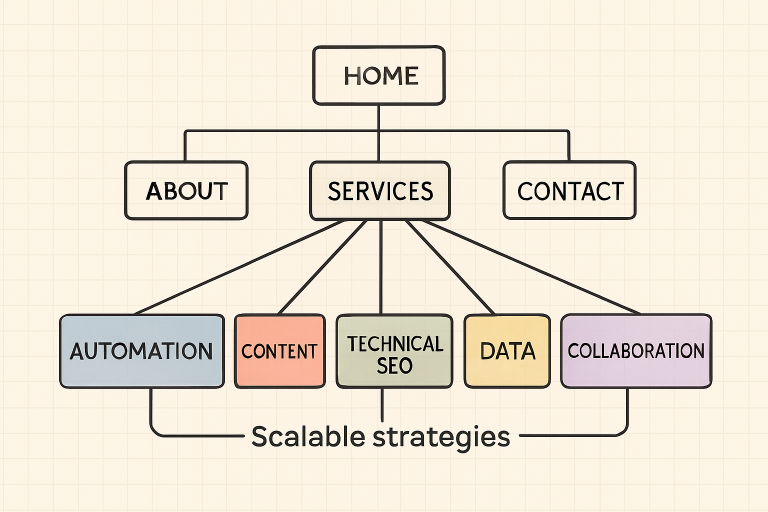
Large organizations manage extensive websites with numerous landing pages, necessitating the use of automated tools to achieve consistency and efficiency. Automation platforms now go far beyond basic keyword tracking—they offer insights into technical issues, automate meta tag creation, streamline reporting, and facilitate competitive analysis at scale. These tools can identify technical SEO errors across thousands of URLs, automate content optimization recommendations, and ensure that regular site audits are conducted without manual input. By embedding automation at every step—such as crawl management, internal linking, or programmatic content audits—enterprises optimize time, reduce errors, and reallocate human expertise toward high-value tasks. These advances empower SEO professionals to focus on strategy rather than getting bogged down with repetitive tasks. AI-powered tools can even suggest content topics, refresh older articles, and help scale personalized experiences based on user data, providing enterprises with a substantial competitive edge.
Developing a Scalable Content Strategy
Enterprise SEO content isn’t just about volume; it’s about structure and relevance. Strategies like topic clustering—organizing content around core themes with pillar and cluster pages—signal authority to search engines and create coherent user journeys. Pillar content delivers broad overviews, while linked cluster content dives into specifics, addressing a broader array of long-tail search queries while reinforcing topical authority. This holistic structure ensures deeper coverage, improves user metrics, and keeps content teams aligned on priorities. Content governance is equally essential when scaling. Enterprise organizations must develop robust guidelines and quality assurance processes to maintain consistency across markets and languages. This may involve creating editorial calendars, utilizing centralized platforms for content workflow, and conducting regular quality control audits to ensure that every published asset adheres to brand, legal, and SEO standards.
Implementing Advanced Technical SEO Practices
- Site Speed Optimization: With Google prioritizing page experience signals, optimizing website speed at scale is crucial for both rankings and user retention. Leveraging content delivery networks, image compression, and code minification are standard best practices.
- Mobile Responsiveness: A mobile-friendly website is non-negotiable, given the dominance of mobile search. Responsive design ensures seamless experiences across devices, reducing bounce rates and improving engagement.
- Structured Data Implementation: Enterprises should embed rich schema markup to improve search visibility through enhanced listings. Structured data helps search engines parse on-page information and enables eligibility for advanced SERP features such as FAQs, product reviews, and video snippets.
Automated technical SEO monitoring and regular audits are critical. These ensure ongoing compliance with search engine standards and enable teams to identify and resolve issues proactively, preventing them from impacting performance.
Utilizing Data Analytics for SEO Optimization
Enterprise SEO must be data-driven to surface opportunities and validate strategies. Integrating organic data with analytics tools like Google Analytics 4 and customer databases allows marketers to map content consumption with sales conversions, revealing which keyword clusters drive the highest ROI. Custom dashboards and automated reporting provide real-time visibility, enabling agile responses to algorithmic shifts and performance dips. Additionally, advanced attribution models provide enterprises with insight into the entire digital customer journey, from the top of the funnel to the final conversion, making it easier to allocate budgets, justify investments, and prioritize what produces the most tremendous impact.
Fostering Cross-Departmental Collaboration
Successful enterprise SEO requires seamless coordination between marketing, IT, UX, and product teams. Communication and documented best practices prevent siloed efforts and duplicate work, ensuring that changes to website structure, content, or technical setup are aligned with SEO standards. Regular workshops, documentation hubs, and champion-led initiatives help embed SEO priorities into every department. By fostering an organizational culture that values collaboration, enterprises can enhance adoption, reduce bottlenecks, and achieve their ambitious growth targets with greater speed and cohesion. Cross-functional SEO task forces can also streamline decision-making, ensuring that strategies are both agile and data-driven, thereby enhancing overall effectiveness. Shared performance dashboards further promote transparency and accountability, enabling each department to understand its impact on overall organic performance. Additionally, integrating SEO insights into product development and content creation ensures that optimization begins at the planning stage rather than as an afterthought. Ultimately, when all departments align behind a unified SEO vision, organizations can unlock exponential gains in visibility, user experience, and revenue growth.
Conclusion
Scaling SEO in an enterprise environment requires more than traditional optimization tactics—it demands an integrated, data-driven framework built on collaboration, technology, and strategic foresight. By leveraging automation tools, organizations can streamline complex workflows and focus human expertise on innovation. A scalable content strategy ensures that quality, relevance, and brand consistency remain intact across all platforms and regions. Advanced technical SEO practices safeguard site performance, ensuring that websites meet the evolving expectations of both users and search engines. Data analytics further empowers decision-makers with actionable insights, enabling continuous improvement and measurable ROI. Finally, cross-departmental collaboration aligns every team behind shared SEO objectives, transforming optimization into a company-wide initiative rather than an isolated effort. When these elements converge, enterprise SEO becomes a sustainable engine for growth—driving visibility, engagement, and long-term digital success.