
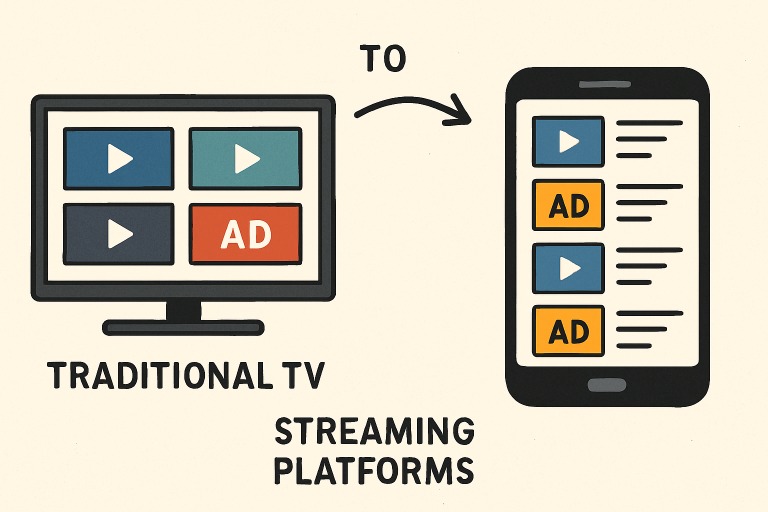
The Rise of Streaming TV Advertising: Strategies for Success in a Digital Era
Understanding the Shift to Streaming TV
The modern television landscape has fundamentally changed with the widespread availability of streaming services. No longer tied to rigid cable schedules, viewers have embraced on-demand content that fits their busy lives. This evolution has forced advertisers to rethink their approaches, unlocking new methods to reach consumers directly on their terms. Learn more about how these shifts are creating unique opportunities for brands seeking greater visibility and engagement.
Streaming services empower audiences with unparalleled control over what, when, and where they watch. As a result, traditional commercials are losing ground to highly targeted, interactive ad experiences available on connected TVs, mobile devices, and even gaming consoles.
The Growth of Ad-Supported Streaming Platforms
Cost-conscious consumers are driving the rapid growth of ad-supported options from major platforms. Recent data shows that, in early 2025, 38% of U.S. premium video-on-demand subscriptions were ad-supported, up from 31% in Q2 2023. This increase highlights the need for advertisers to adjust their marketing strategies, focus on personalized messaging, and measure the effectiveness on these popular channels. Brands that stay ahead of this trend are better positioned to connect with a more engaged and receptive audience than those clinging to traditional TV ad formats.
As streaming platforms improve their ad-delivery technologies, advertisers now have access to more detailed audience insights and performance metrics than ever before. This development not only boosts ROI but also allows brands to deliver relevant messages that connect with viewers in real time. Ultimately, adapting to this ad-supported landscape is becoming crucial for remaining competitive in the digital entertainment market.
Advantages of Streaming TV Advertising
- Precision Targeting: Streaming platforms leverage granular data, such as viewers’ demographics, interests, and even household behaviors, to ensure ad delivery is personalized and relevant.
- Enhanced Engagement: Advanced ad formats—such as interactive overlays and viewer-driven choices—enable greater consumer engagement, leading to better recall and brand favorability.
- Measurable Outcomes: Advertisers gain access to robust analytics that deliver real-time results and detailed performance metrics, making campaign optimization more straightforward and precise.
Effective Strategies for Streaming TV Advertising
- Leverage Data Analytics: Brands must harness the power of streaming platforms’ analytics to understand audience behavior and preferences, tailoring their ad content and maximizing campaign effectiveness.
- Embrace Programmatic Advertising: Automated tools for buying and placing ads help ensure impressions are delivered to the right audience at the right time, reducing waste and boosting ROI.
- Develop High-Quality Content: Attention spans are short, particularly in digital environments. Compelling, creative, and relevant ads are essential for capturing attention and promoting brand trust.
- Optimize for Multiple Devices: With viewers switching between TVs, smartphones, and tablets, advertisers must ensure their creative assets display flawlessly across all screens for seamless omnichannel engagement.
Challenges in Streaming TV Advertising
Although streaming TV advertising offers benefits, it also presents challenges. Ad fatigue remains a concern, as viewers tend to ignore repetitive or irrelevant ads quickly. The fast pace of technological development requires advertisers to continually update their skills and strategies. Managing ad frequency, ensuring relevance, and utilizing advanced targeting can help overcome these obstacles, making campaigns effective without being intrusive. To remain competitive, advertisers need to base their decisions on data insights and keep refining their tactics. Collaboration between creative and analytical teams can lead to ads that better connect with audiences. Ultimately, those who adapt swiftly to changing viewer preferences and new technologies will succeed in the dynamic streaming environment.
The Role of Artificial Intelligence in Streaming Ads
Artificial Intelligence is a game-changer for streaming TV advertising, driving efficiency, insights, and personalization. As highlighted by TV Technology, AI is transforming the streaming economy by enhancing both operational performance and audience engagement. AI-powered algorithms automate the complex process of bitrate allocation, reducing bandwidth requirements substantially without sacrificing content quality. Moreover, AI enables marketers to build and deliver customized ad experiences dynamically, adjusting messages for individual users without manual intervention.
This transformation enables advertisers to make every impression more effective, driving greater relevance and stronger return on investment. As AI systems continuously learn from audience behavior, brands can better anticipate engagement trends and refine their creative strategies in real time. In essence, AI is not only enhancing how ads are delivered—it’s redefining the fusion of data-driven insights and storytelling in the streaming industry.
Future Trends in Streaming TV Advertising
The future is defined by innovation. Generative AI is expected to reshape the ad landscape radically; studies predict that by 2026, 40% of all video ads will be generated by AI. This will unlock high-volume, cost-effective creative output, enabling even small brands to scale up and personalize their ad campaigns. Furthermore, as streaming technology becomes more innovative and more integrated, expect further advancements in addressability, automation, and cross-device measurement.
Advertisers who invest in these emerging capabilities will be well-positioned to capture market share, nurture audience relationships, and achieve higher returns on their media spend.
Conclusion
The migration from traditional TV to streaming has fundamentally changed how brands approach advertising. Advertisers who embrace targeted, data-driven strategies, leverage AI-powered innovations, and create high-quality, engaging content are poised for success in this dynamic landscape. By staying adaptable and focusing on delivering genuinely valuable ad experiences to viewers, brands can thrive as streaming TV continues to shape the future of advertising.