
Workplace Safety and the Silent Risks of Workplace Violence Prevention
Workplace safety extends far beyond the prevention of apparent physical hazards. In today’s complex work environments, addressing the less visible threats—especially those tied to interpersonal dynamics and psychological wellbeing—requires deliberate attention. These hidden dangers are often overshadowed by more obvious risks yet can have lasting negative impacts if left unchecked. Effective prevention efforts must extend beyond addressing what can be seen or measured, which is why companies are increasingly investing in workplace violence training and other resources to ensure comprehensive safety for all employees.
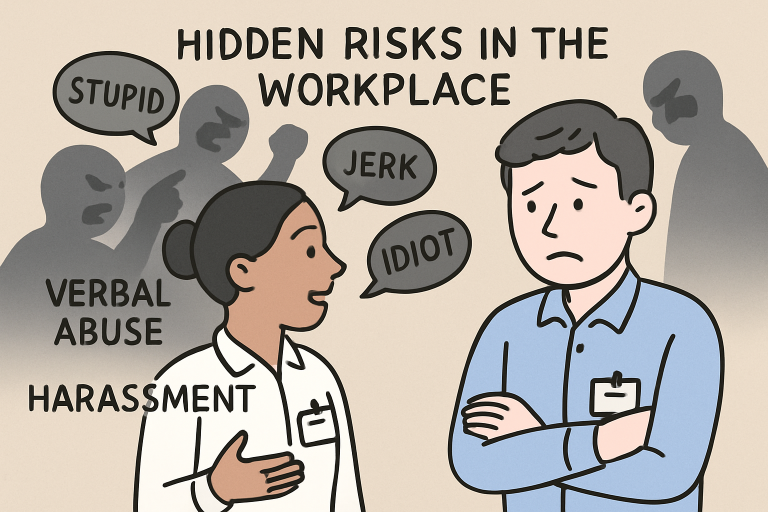
Succeeding in workplace violence prevention means thinking proactively, not just reactively. Silent risks—such as verbal abuse, intimidation, and low-level harassment—may not leave visible marks but can inflict real harm on morale, productivity, and overall organizational health. When overlooked, these risks can spiral, contributing to staff turnover and a diminished sense of safety. Organizations that want to address these silent dangers need actionable strategies and ongoing education available through workplace violence training and other resources to create truly supportive work cultures.
Understanding the Full Spectrum of Workplace Violence
Workplace violence is a multifaceted issue, spanning more than just physical assault. It covers a wide range of intimidating behaviors, including verbal abuse, bullying, unwanted advances, and persistent harassment. As outlined by the Occupational Safety and Health Administration (OSHA), these subtler forms of aggression can cause psychological distress, degrade the work environment, and, over time, foster a hostile culture.
Often, organizations focus primarily on physical threats, overlooking the broader spectrum of violence. However, non-physical incidents tend to be more pervasive and challenging to identify. Addressing the full breadth of workplace violence begins with awareness: employees and leaders must recognize that threats can take many forms, each requiring its own unique prevention and response strategies.
The Consequences of Underreporting
One of the most significant challenges in workplace violence prevention is the tendency for non-physical incidents to go unreported. Employees may fear retaliation, feel embarrassed, or believe the behaviors are not severe enough to merit attention. This underreporting creates a dangerous blind spot, allowing toxic behaviors to fester and escalate.
To address this, it’s crucial to prioritize open communication and implement secure, anonymous reporting mechanisms. Providing staff with the opportunity to share concerns without fear encourages earlier intervention, empowering organizations to resolve issues before they escalate into serious problems. Regular reminders about the availability and importance of these channels help create a culture in which safety and respect are everyone’s responsibility.
Implementing Comprehensive Training Programs
Comprehensive and ongoing training is crucial to developing a prepared and vigilant workforce. Quality programs help employees recognize warning signs, understand different forms of workplace violence, and practice techniques for de-escalation. Effective training covers:
- Identifying and interpreting early behavioral cues that may indicate risk.
- Developing de-escalation and conflict resolution skills to handle escalating situations calmly.
- Understanding and utilizing clear, straightforward reporting pathways.
Well-designed training sessions—repeated regularly—instill confidence and competence in employees, equipping them to respond appropriately in various scenarios and to support their colleagues through vigilance and empathy.
Developing Clear Policies and Procedures
Clarity in policy and procedure empowers employees and managers to act decisively when risks of workplace violence arise. Strong workplace violence policies should clearly define unacceptable behaviors, outline the steps for reporting incidents, and specify protections against retaliation. Disciplinary actions for violations should be consistent and transparent to reinforce organizational values and expectations.
- Comprehensive definitions set the foundation for mutual understanding.
- Accessible, well-publicized reporting mechanisms make it easier for staff to come forward.
- Enforcement of consequences ensures accountability and demonstrates leadership’s commitment to a safe workplace.
Routine review and communication of these policies remind everyone that the organization is watching, listening, and ready to act if needed.
Fostering a Culture of Safety
Workplace violence prevention is most effective when it’s part of a broader cultural commitment. Leaders play a central role in setting expectations and modeling respectful behavior. Employees who trust leadership to respond appropriately to violence-related concerns are more likely to speak up early, preventing minor incidents from escalating. Organizations can encourage a culture of safety by:
- Demonstrating leadership commitment through transparent actions and communication.
- Encouraging feedback and providing safe spaces for concerns to be raised and discussed.
- Offering support resources, such as counseling and employee assistance programs, to those affected by workplace violence.
Cultivating a positive, proactive atmosphere where employees feel respected and valued helps deter would-be perpetrators and creates a community of shared responsibility.
Utilizing Technology in Prevention Efforts
Technology offers powerful tools for bolstering workplace violence prevention strategies. Digital floorplan mapping enhances emergency preparedness, while analytics software helps track behavioral trends and identify areas of concern. Training innovations, such as virtual reality exercises, allow employees to safely practice high-pressure scenarios, thereby improving their preparedness for real-world incidents. These advances make prevention efforts more effective and engaging, enhancing both readiness and responsiveness.
Conclusion
Tackling the silent risks associated with workplace violence requires a holistic and ongoing approach. Understanding the multifaceted nature of violence, encouraging candid reporting, supporting staff with robust training and clear policies, remaining compliant with an evolving legal landscape, and leveraging modern technology all play essential roles. By prioritizing these efforts, organizations can cultivate healthy, secure environments that protect the dignity, well-being, and productivity of every employee.