

Private Aviation Florida News
Private aviation in Florida continues to experience sustained growth and transformation, reflecting the state’s strategic importance within the national and international aviation landscape. As a major hub for business travel, luxury tourism, and transcontinental connectivity, Florida plays a central role in shaping developments across the private aviation sector. Recent trends highlight expansion in infrastructure, evolving demand patterns, technological innovation, and increasing attention to environmental sustainability.
Market Growth and Demand Patterns
Recent developments indicate that private aviation demand across Florida remains robust. While the extraordinary surge observed during the COVID-19 pandemic has moderated, overall activity levels continue to exceed historical norms. This sustained demand reflects a structural shift in travel preferences, with private aviation increasingly regarded as an essential tool for efficient and flexible mobility.
Corporate travel remains a primary driver of demand, particularly in key economic centers such as Miami, Orlando, and Tampa. Businesses rely on private aviation to facilitate time-sensitive travel, enabling executives to access multiple destinations within compressed schedules. At the same time, Florida’s prominence as a global tourism destination sustains strong leisure demand, particularly among high-net-worth individuals seeking premium travel experiences.
Seasonal fluctuations continue to characterize the market, with peak activity during winter months as travelers from colder regions converge on Florida’s coastal and resort destinations.

Infrastructure Expansion and Airport Development
The expansion of aviation infrastructure remains a central theme in Florida’s private aviation news. Airports across the state are investing in capacity enhancements, including the construction of new hangars, modernization of fixed-base operator (FBO) facilities, and upgrades to runway and taxiway systems.
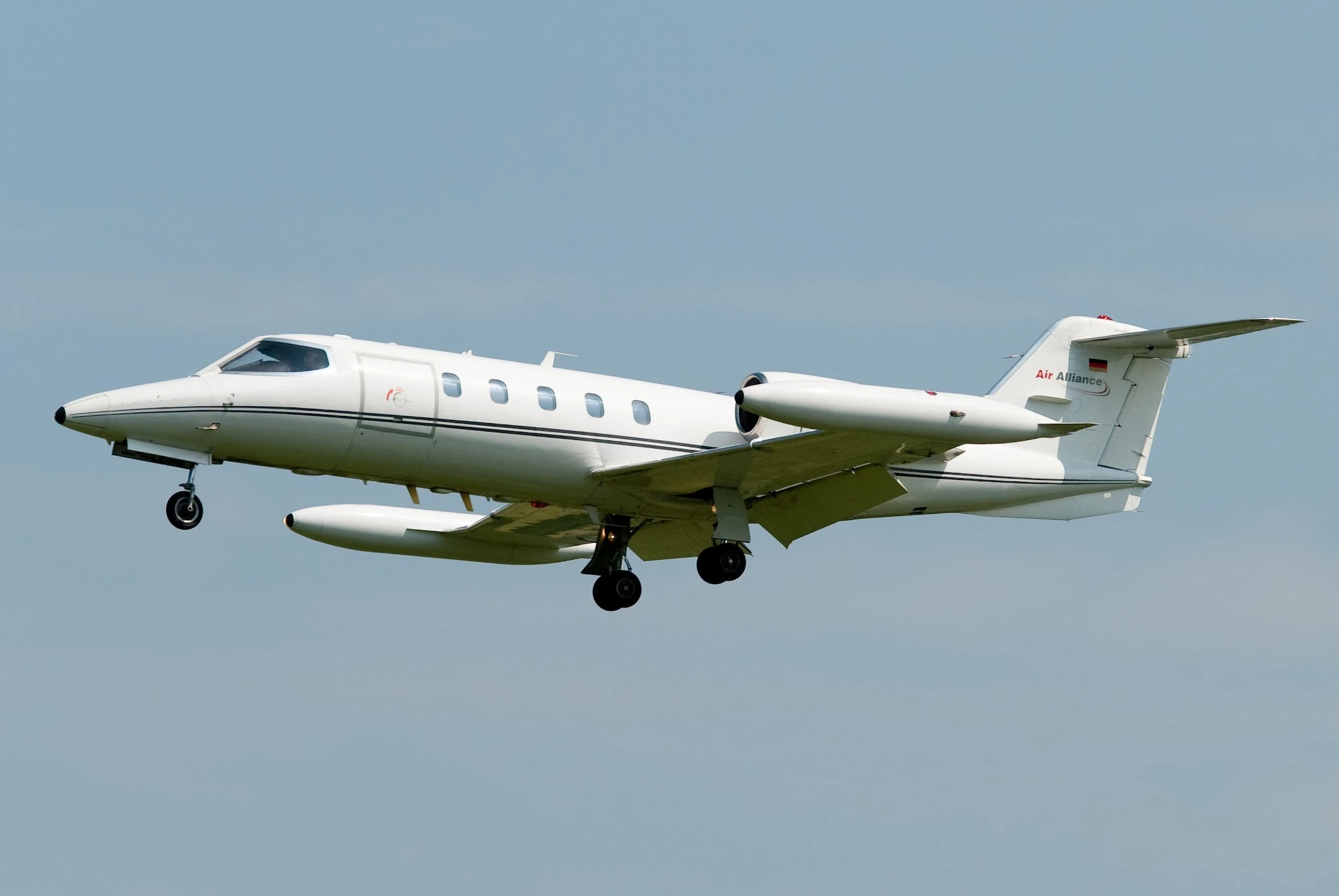
Executive airports, such as those in South Florida and Central Florida, are playing an increasingly important role in accommodating private jet operations. These facilities provide specialized services tailored to business aviation, including expedited ground handling, maintenance support, and premium passenger amenities.
However, infrastructure growth must be balanced with operational efficiency. Airspace congestion, particularly in densely populated regions, continues to present challenges. Coordinated efforts between airport authorities, operators, and regulatory agencies are essential to maintaining smooth operations.
Regulatory Environment and Policy Updates
Private aviation operations in Florida are governed by the Federal Aviation Administration (FAA), which enforces stringent safety and operational standards. Recent regulatory discussions have focused on managing increased traffic volumes while preserving safety and efficiency.
In addition to federal oversight, local authorities are implementing policies aimed at addressing environmental concerns and optimizing airport utilization. These include noise abatement procedures, operational restrictions, and initiatives to improve air traffic management.
The regulatory landscape continues to evolve in response to technological advancements and changing industry dynamics, requiring operators to maintain high levels of compliance and adaptability.
Technological Innovation and Digitalization
Technological advancement is a defining feature of recent developments in Florida’s private aviation sector. The adoption of digital booking platforms, real-time fleet management systems, and data analytics has transformed both operational processes and client interactions.
These technologies enable greater transparency, allowing clients to access detailed information on aircraft availability, pricing, and performance. For operators, digital tools facilitate more efficient resource allocation, route optimization, and maintenance planning.
Artificial intelligence and machine learning are increasingly integrated into aviation operations, enhancing predictive capabilities and improving overall efficiency. This technological evolution is reshaping the competitive landscape, encouraging innovation and responsiveness.
Sustainability and Environmental Initiatives
Environmental sustainability has become an increasingly prominent topic within Florida’s private aviation industry. Operators are adopting a range of measures to reduce environmental impact, including the use of sustainable aviation fuel (SAF), participation in carbon offset programs, and investment in more fuel-efficient aircraft.
These initiatives are driven by both regulatory pressures and shifting client expectations. High-net-worth individuals and corporate clients are placing greater emphasis on environmentally responsible travel, prompting operators to integrate sustainability into their operational strategies.
Long-term developments in propulsion technology, including hybrid and electric aircraft, are expected to further influence the industry’s environmental performance.
Competitive Landscape and Industry Dynamics
Florida’s private aviation market is characterized by intense competition among a diverse range of operators, brokers, and global service providers. Companies differentiate themselves through service quality, safety standards, technological capabilities, and global network access.
Strategic partnerships and alliances play an important role in enhancing service offerings and operational flexibility. Collaboration with fixed-base operators, maintenance providers, and international networks enables companies to expand their reach and improve efficiency.
The increasing use of digital platforms has also introduced greater price transparency, enabling clients to make more informed decisions and fostering a more competitive environment.
Economic Impact and Industry Integration
Private aviation contributes significantly to Florida’s economy, supporting a wide range of ancillary industries, including aircraft maintenance, fuel services, logistics, and hospitality. The sector generates employment across technical, operational, and service-oriented roles.
Furthermore, private aviation enhances the state’s attractiveness as a business and investment destination by facilitating efficient connectivity. The ability to access domestic and international markets rapidly supports trade, tourism, and economic development.
Challenges and Emerging Issues
Despite its positive trajectory, the private aviation sector in Florida faces several challenges. Airspace congestion remains a persistent issue, particularly in high-traffic regions. Rising operational costs, including fuel and maintenance expenses, also impact pricing and profitability.
Environmental concerns and regulatory scrutiny are expected to intensify, requiring ongoing adaptation by industry participants. Operators must balance growth objectives with sustainability goals and compliance requirements.
Forward Outlook
Future developments in Florida’s private aviation sector are likely to be shaped by continued technological innovation, infrastructure investment, and evolving client expectations. The integration of advanced air mobility solutions, including electric vertical takeoff and landing (eVTOL) aircraft, may further expand the scope of air transportation within the state.
The sector’s ability to adapt to changing economic, environmental, and technological conditions will determine its long-term trajectory. Florida’s position as a leading hub for private aviation ensures that it will remain a focal point for industry developments and innovation.