
Maximizing Your Profit: Tips for a Successful Home Flip
Transforming a dated property into a market gem is a popular path to financial gain, known as house flipping. This lucrative venture capitalizes on purchasing properties, upgrading them, and reselling at a profit. But it’s not just about hammers and nails; real estate flipping requires market savvy, strategic renovations, and a solid understanding of budgets and legalities. Whether you’re a seasoned investor or considering your first flip, equipping yourself with the right knowledge is key to success. Keep reading to discover how you can turn a profit in the dynamic world of home flipping.
Essential Home Renovations for Maximum Resale Value

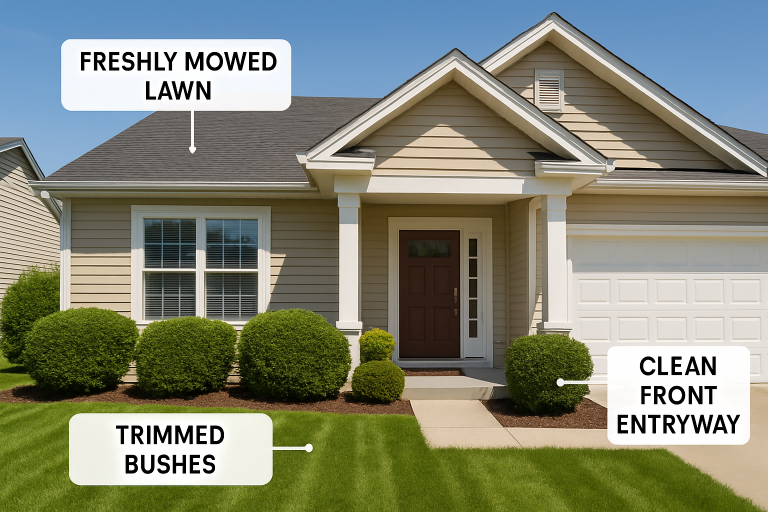
Not all renovations equally contribute to a property’s resale value. Prioritizing projects that have a high return on investment is essential. Typically, kitchen and bathroom updates can lead to significant valuation upticks. It’s also important to focus on creating an appealing first impression with curb appeal enhancements like landscaping or a fresh coat of paint.
However, it’s not just about aesthetics; ensuring the home’s major systems, such as plumbing and electrical, are up to date is crucial. Companies like Strobel Custom Heating & Air in St. Maries ID, are examples of the kind of services that can help ensure a property’s heating and air systems are efficient and reliable, which can be a notable selling point.
Investing in energy-efficient features can also increase a home’s marketability. Whether it’s installing new insulation, double-paned windows, or energy-efficient appliances, such upgrades can significantly appeal to eco-conscious buyers. Importantly, these investments might qualify for tax credits, adding to your bottom line.
Crafting a Budget that Balances Cost and Quality

A meticulously planned budget is the cornerstone of a profitable home flipping strategy. It begins with accurately estimating renovation costs, accounting for materials and labor, and setting aside a contingency fund for unexpected expenses. Keeping a tight rein on your budget without compromising quality is the delicate balance a flipper must manage.
Shopping around for materials and labor can save money without sacrificing standards. One can often find deals on high-quality items like fixtures, flooring, or even silk flowers as decoration for staging. Doing some of the renovation work yourself might also reduce costs, but ensure you have the necessary skills to maintain professional workmanship.
Effective negotiation with contractors can further keep your budget in check. Request itemized bids, compare them, and don’t be afraid to negotiate. Remember, labor costs can vary significantly across different regions and professionals, so getting multiple quotes is advantageous.
Marketing Your Flipped Property to Attract the Right Buyers

Once renovations are complete, the spotlight turns to marketing the property effectively. Quality photography that showcases the home’s best features is critical. Virtual tours and staging with contemporary decor can help potential buyers envision themselves living in the space, making it more likely to sell quickly and at a higher price.
Utilizing online platforms to reach a broader audience can significantly enhance your marketing efforts. Listing the property on multiple real estate websites and using social media to generate buzz can attract a wide range of buyers. Descriptions should underscore the renovations and upgrades made, as they’re strong selling points.
Hosting open houses and broker tours is a hands-on approach to marketing the flip. It invites potential buyers to experience the property firsthand and gather immediate feedback that can be invaluable. Engaging with visitors during these events allows you to highlight the property’s features directly and address any concerns.
Navigating the Legalities and Taxes of Home Flipping for Financial Success

Understanding the legalities and taxes associated with home flipping is imperative to ensure financial success. Knowledge of local zoning laws, building codes, and required permits is crucial in conducting a legal and smooth renovation process. Failure to comply with these regulations can result in costly fines or legal issues, delaying the sale of the property.
It is prudent to engage with real estate attorneys and tax professionals who can guide you through the intricacies of real estate transactions and tax obligations. For instance, profits from home flipping are typically classified as taxable income, and the holding period of the property can greatly affect the tax rate applied. Knowing these details upfront can help you plan a more efficient tax strategy.
Overall, while home flipping can be a highly rewarding investment strategy, it demands thorough planning, market knowledge, and attention to financial detail. By mastering the key aspects covered in this article and continually honing your skills and understanding of the industry, your next home flip can be both profitable and satisfying.